
Find the Best Voice Lessons for Kids Near Me
When you type "voice lessons for kids near me" into a search bar, you're not just looking for a music class. You're searching for a place where your child can find their voice, build their confidence, and let their unique talent shine. For parents here in Bluffdale and our neighbors in Riverton and Herriman, this guide is your roadmap to starting that exciting journey.
Finding Great Voice Lessons for Kids in Your Area
Let's be honest, choosing the right vocal program for your child feels like a big decision—because it is. This is an investment in a skill that teaches discipline, rockets self-esteem, and offers a powerful creative outlet. The right teacher and the right atmosphere can ignite a lifelong passion.
Especially for families making the drive from Draper or Sandy, you want to find a studio that feels like a second home, a place where your child feels supported and inspired. We'll walk through everything that matters, from what makes a great teacher to the different types of lessons available, so you can make a choice that nurtures your child's voice safely and effectively.
Curious about our studio? You can find our conveniently located Bluffdale spot on the Encore Academy locations page to see just how easy the drive is.
Key Factors at a Glance
Before we get into the details, let's look at the big picture. This quick guide will help you focus on what's most important when you start looking for a vocal coach for your child.
Quick Guide to Choosing Kids Voice Lessons
Think of this table as your checklist. Use it to organize your thoughts and prepare questions as you explore different studios.
| Instructor Qualifications | Experience and training specifically with children's developing voices. | An unqualified teacher can inadvertently teach techniques that may harm a young, delicate voice. |
|---|---|---|
| Studio Environment | A positive, encouraging, and safe atmosphere where kids feel comfortable. | A supportive setting reduces performance anxiety and helps children take creative risks. |
| Curriculum & Goals | A focus on healthy vocal technique, music theory, and performance confidence. | A structured curriculum ensures progressive skill development and long-term vocal health. |
| Lesson Formats | Options like private lessons, group classes, or choirs to match your child’s needs. | The right format can align with your child’s personality, goals, and your family's budget. |
Having these key points in mind from the start will make your search for the perfect local voice lessons so much easier and more effective.
The Hidden Benefits of Singing Lessons for Children
When you sign your child up for voice lessons, you’re giving them something that goes way beyond learning to carry a tune. It’s a powerful investment in their development, building skills that will help them in the classroom, on the playground, and for the rest of their lives. Think of it as a workout for their brain, a stage for their confidence, and a lesson in resilience, all rolled into one.
Learning to sing isn't passive; it's an active mental exercise. A child has to listen intently, recognize musical patterns, and connect melodies to lyrics. This complex process fires up multiple areas of the brain, sharpening focus and strengthening memory in ways that directly translate to schoolwork.
For parents in Draper and Lehi searching for voice lessons for kids near me, it’s worth seeing this as a tool for your child's overall growth. The discipline it takes to practice a song until it’s just right builds a rock-solid work ethic. That same dedication can easily spill over into better study habits and a more focused approach to academics.
Boosting Confidence and Emotional Expression
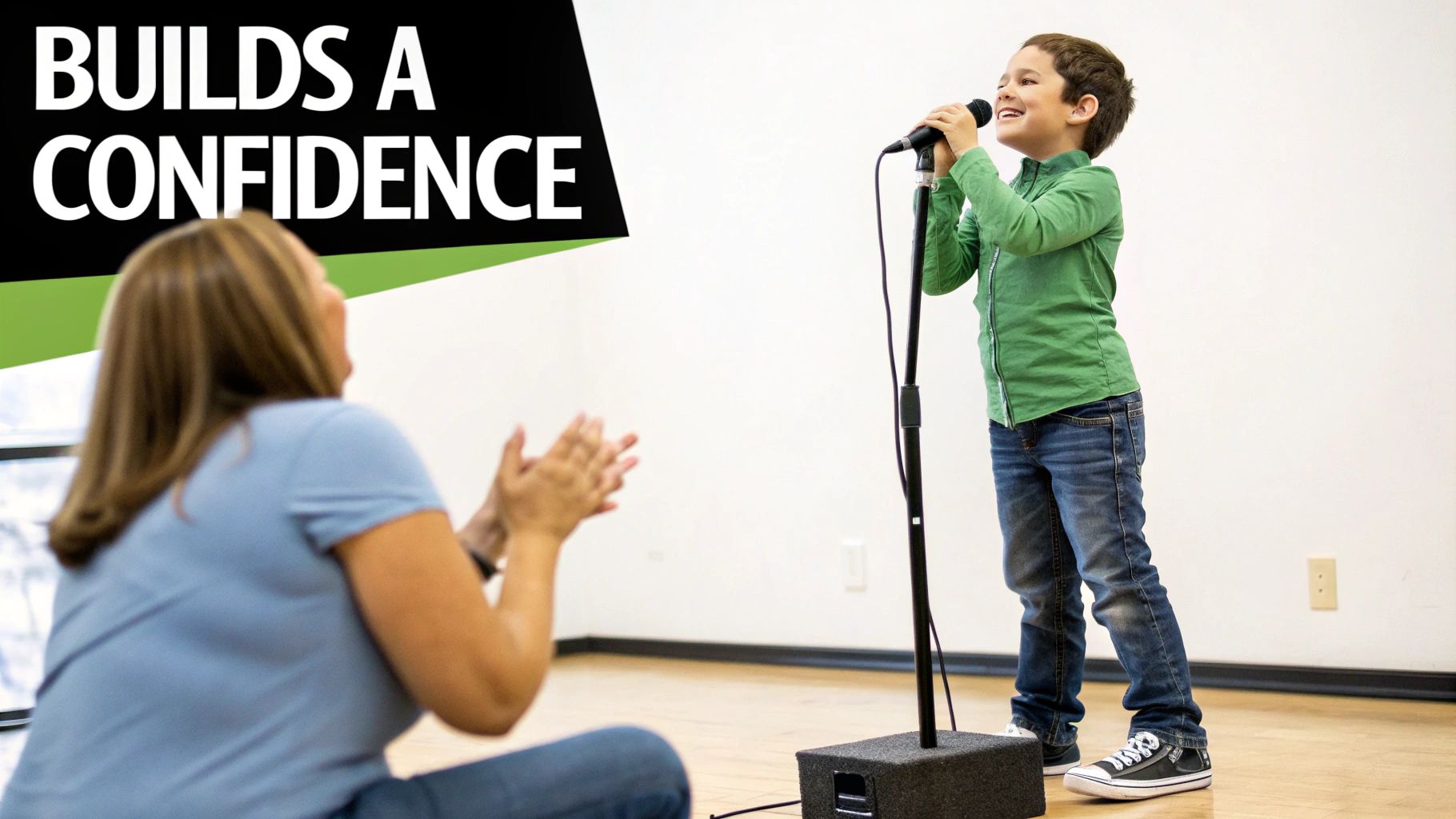
One of the most incredible transformations we see is in a child's confidence. Simply standing up and singing for an instructor takes courage. With every lesson, they build a little more self-assurance, helping even the most reserved kids find their voice—both literally and figuratively.
Mastering their voice gives them a powerful outlet for self-expression. Music becomes a safe and healthy way to process big feelings they might not have the words for yet. This is especially true for our youngest students, and you can learn more about this in our guide to music and movement activities for preschoolers .
Singing is an art form that requires vulnerability. By learning to perform, children from Sandy to Herriman develop the courage to share their unique talents, building a foundation of self-assurance that will serve them for the rest of their lives.
This isn’t just something we’ve noticed anecdotally. One study following a five-month singing program for kids found that a child's sense of wellbeing and confidence grew right alongside their pitch accuracy. The very act of singing brought them measurable joy.
Developing Physical and Social Skills
Learning to sing is also a surprisingly physical activity. Proper vocal training teaches kids all about breath support, posture, and how to treat their entire body as their instrument. These lessons in physical awareness are fantastic for their overall coordination and health.
And when they join a group class or choir, the social benefits really shine. They have to listen to their peers, learn how to blend their voices, and work together to create something beautiful. It’s teamwork in its purest form, building communication skills that will prepare them for everything from school projects to future careers. It’s an investment that pays dividends far beyond the stage.
How to Choose the Right Vocal Coach for Your Child
Nothing will shape your child’s musical journey more than their teacher. A great coach can ignite a lifelong passion and build skills the right way, but the wrong one can lead to frustration or, even worse, vocal strain. For parents in Sandy and Bluffdale, finding that perfect mentor is everything.
I like to think of a child's voice as a young tree. It’s flexible and full of potential, but it needs gentle, expert care to grow strong and healthy. An instructor who mostly teaches adults might use techniques that are perfect for a fully developed voice but far too demanding for a young singer. That's why finding a coach who specializes in youth vocal pedagogy isn't just a nice-to-have—it's absolutely essential.
Why Specialization in Children's Voices Matters
A vocal coach trained to work with children understands the physical anatomy of a developing voice box. They know how to build a solid foundation of healthy habits—like proper breath support, good posture, and creating resonance—using exercises, songs, and even games that are right for their age. Their job isn’t just to teach kids how to hit the notes; it's to foster a genuine love for music in a fun, supportive space.
This specialized knowledge is more critical than you might think. A startling survey from The Voice Foundation revealed a huge knowledge gap: 70% of singing teachers lacked formal training in how to assign voice parts for young singers, and a full 25% had zero lectures on the developing adolescent voice. This really highlights the risk of improper training, which can easily lead to vocal fatigue or damage. If you're curious, you can dig into the research from The Voice Foundation yourself.
Key Qualities of an Excellent Kids Vocal Coach
So, as you start looking at instructors for your child, whether you're driving over from Lehi or live right around the corner in Bluffdale, keep your eyes peeled for a few key traits. The best coaches are always more than just talented musicians; they’re skilled educators who know how to motivate kids.
Here’s a practical checklist to help guide your search:
- Patience and Positivity: Does the instructor create a joyful, encouraging atmosphere? Your child should feel excited to go to their lesson, not worried about making mistakes.
- A Focus on Fun: Do they use games, movement, and songs your child actually enjoys? Tapping into a child's imagination is the fastest route to teaching tricky concepts.
- Clear Communication Skills: Can they break down technical ideas like "breathing from the diaphragm" into simple terms a kid can actually grasp and use?
- Emphasis on Vocal Health: Is protecting the voice a top priority in their teaching philosophy? They should be talking about avoiding strain and building habits that will last a lifetime.
Finding a coach who balances technical skill with a nurturing approach is the ultimate goal. The right teacher will not only protect your child's voice but will also empower them to use it with confidence and joy for years to come.
When you're ready to meet an instructor who truly embodies these qualities, a great first step is to explore the faculty at a well-regarded studio. You can start by getting to know the backgrounds and teaching philosophies of the Encore Academy staff , all of whom are dedicated to nurturing young talent.
Private Lessons, Group Classes, or a Choir?
Once you start looking into voice lessons for your child, you'll quickly see there are a few different ways to go. The three most common setups are private one-on-one lessons, small group classes, and larger choirs. Each has its own vibe, and the right one really boils down to your child’s personality, their goals, and how they learn best.
There’s no magic "best" choice that fits every kid. A shy beginner might feel more comfortable and open up in a supportive group, while a driven young performer might be ready for the focused feedback that only private coaching can offer. The goal is to find the perfect match to make learning fun and effective.
Private Lessons: The Personalized Path
Private lessons are the fast track to real technical growth. Think of it like a personal trainer for the voice—every single moment is spent on your child's specific needs, strengths, and weaknesses. The instructor can give immediate, detailed feedback on everything from hitting the right note to breathing correctly.
This one-on-one setting is perfect for a child who is serious about singing, has a big audition coming up, or needs to iron out a specific vocal challenge. The entire curriculum is built just for them, so they can move at their own speed without any distractions.
Group Classes: The Social Sweet Spot
Small group classes hit a wonderful middle ground. They mix personal attention with the energy and fun of learning with friends. When kids are in a small group, they don't just learn from the teacher; they learn from watching each other, which can be a huge motivator. It's a fantastic way to build confidence in a low-pressure environment.
For many families in our area, like those in Herriman and Riverton, group classes are also a more budget-friendly choice. This format lets kids build a solid foundation, pick up basic music theory, and figure out if singing is a real passion—all while making new friends. To see how different arts programs help kids grow, check out our guide to performing arts classes near me .
The best lesson format doesn't just build vocal skills; it supports a child's social and emotional growth, too. The right environment can turn a music lesson into the highlight of their week.
Choirs: Teamwork and Harmony
Joining a choir is an amazing way to learn about harmony, teamwork, and what it feels like to perform. In a choir, kids learn to listen closely to others and blend their voices to create one beautiful sound. That's a skill that takes both musical talent and a whole lot of cooperation.
This is a great fit for outgoing kids who thrive as part of a team and for those who want to feel the excitement of performing on a big stage. For parents in nearby communities like Draper, a local choir can be a wonderful first step into the world of vocal music.
Deciding between these options can feel like a lot, but this comparison might help clear things up.
Private vs Group vs Choir Lessons Comparison
| Private Lessons | Focused, ambitious singers or those needing specific technical help. | 100% personalized attention; fastest skill progression. | Highest cost; lacks a social, peer-learning environment. |
|---|---|---|---|
| Group Classes | Beginners, shy children, and those who learn well with others. | Balances cost and attention; builds confidence and social skills. | Less one-on-one time; curriculum is not fully customized. |
| Choir | Kids who love teamwork, performance, and a large-group setting. | Excellent for learning harmony and performance skills; very social. | Minimal individual feedback; focus is on the group's sound. |
No matter which path you choose, the person leading the class makes all the difference.
This chart helps visualize the key factors to consider when selecting an instructor for any of these formats.
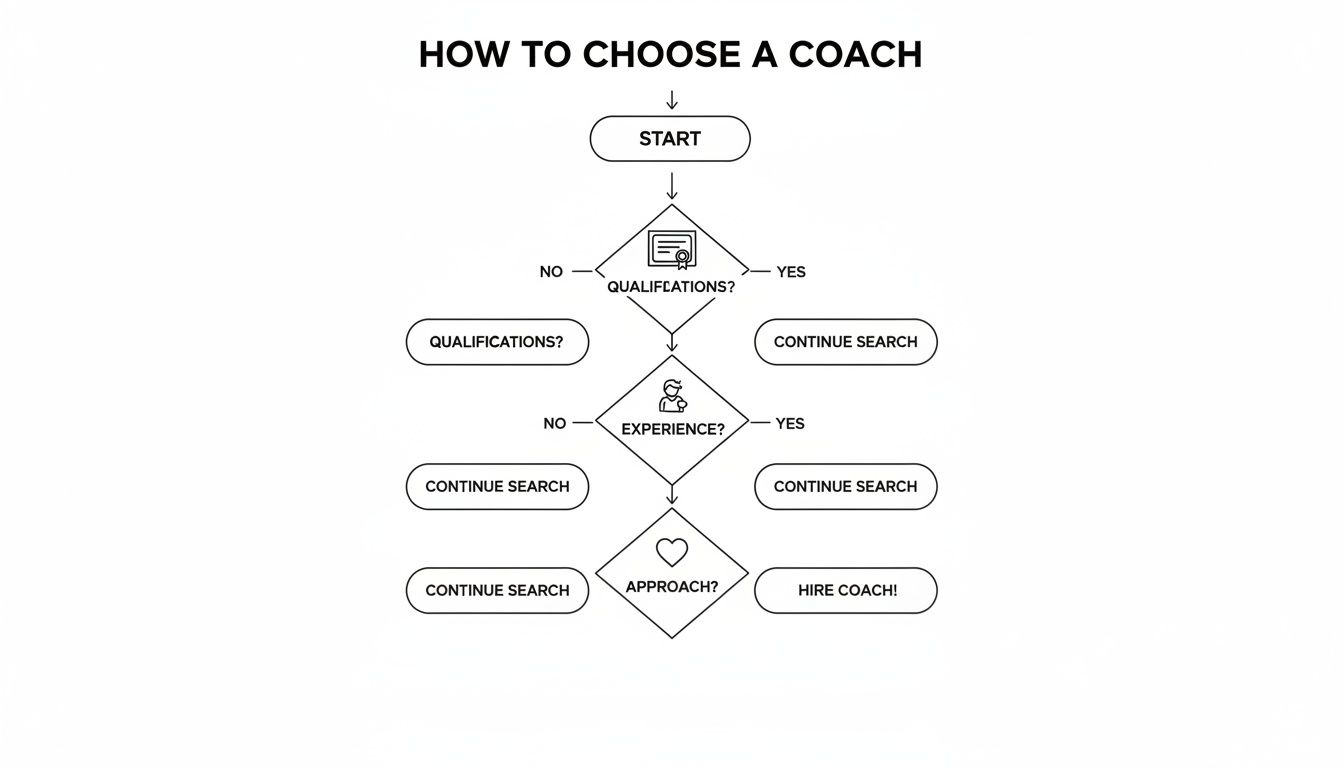
Ultimately, finding a coach with the right qualifications, plenty of experience with kids, and a warm, nurturing style is the key to success in any lesson format.
Getting Down to the Details: What to Expect from Voice Lessons
So, you’re ready to get started. That's fantastic! But before you jump in, it’s smart to understand the practical side of things. Figuring out costs, scheduling, and logistics ahead of time makes the whole experience much smoother and more enjoyable for everyone involved. This is especially true if you're searching for "voice lessons for kids near me" and need to factor in a bit of a commute.
For our families driving over from Draper or Sandy to our studio here in Bluffdale, thinking about that travel time is a simple but important step. When you build it into your schedule, the lesson becomes a calm, anticipated part of your week instead of a last-minute scramble.
Understanding Pricing and Fees
As you start looking at different music schools, you'll see a few different ways they handle payments. Knowing the lingo helps you find the best fit for your family’s budget and schedule.
- Monthly Tuition: This is the most common setup. You pay a set amount each month for your child's dedicated weekly time slot. It’s predictable, helps build a consistent routine, and often bundles in perks like recitals and studio workshops.
- Per-Lesson Rates: Some teachers let you pay as you go. This can work if your schedule is unpredictable, but you might not get the same day and time each week, which can make progress a little trickier.
- Studio Fees: Think of this as a one-time annual fee. It usually covers things like recital costs, sheet music, and other learning materials your child will use all year long.
Don't be shy about asking exactly what's included in the price. Getting a clear picture helps you avoid any surprises down the road and lets you accurately compare what different studios are offering.
In-Person vs. Online Lessons
This is a big one these days. While the convenience of online lessons is tempting, there’s a special kind of magic that happens in a face-to-face lesson, especially for a young, developing singer.
When an instructor is in the same room, they can offer a level of feedback that’s tough to replicate over a screen. They can gently adjust a child's posture with a guiding hand, physically demonstrate how to breathe from the diaphragm, and catch the tiny, subtle habits that make all the difference. That immediate, physical guidance helps kids connect the dots so much faster.
The energy of an in-person lesson is a real thing. That shared space builds a powerful connection, allowing the teacher to truly read the room and adapt the lesson on the fly to what your child needs in that exact moment.
Ultimately, you know your child best. But for many of our students coming from nearby communities like Lehi and Herriman, making the short drive is well worth it. That focused, hands-on instruction is the best way to build a strong, healthy vocal foundation from the very first note.
Ready to Hear Your Child Sing? Here's What to Do Next
You’ve done the research. You know what makes a great vocal program, how to spot a fantastic teacher, and what questions to ask. Now comes the fun part: taking that first step and watching your child discover their own voice.
Nothing beats experiencing a lesson firsthand. That’s why we always recommend a trial class. It's the best no-pressure way to see if the teacher's energy clicks with your child's personality and if the studio feels like a place where they can truly shine. Think of it less as a test and more as a sneak peek into a very exciting future.
Find Your Home for Music
If you’ve been searching for "voice lessons for kids near me" in Bluffdale or our neighboring communities of Riverton, Draper, and Herriman, we hope you'll come see what makes Encore Academy special. Our instructors don't just teach singing; they build confidence and nurture a lifelong love for music in a warm, encouraging space.
We believe finding the right fit is everything. The only way to know for sure is to see it for yourself—watch how our teachers connect with their students, make learning feel like play, and bring out that natural spark.
A trial lesson is where the magic begins. It’s a conversation between a student, a teacher, and the music, creating the first notes of a journey filled with growth and discovery.
Ready to see the Encore difference? We’d love to welcome your family. You can easily book a trial lesson online to find a time that works for you and start your child on their musical adventure. We can't wait to meet you
Answering Your Top Questions About Kids' Voice Lessons
Thinking about voice lessons for your child? It's a big step, and you probably have a lot of questions. We get it. Here are some honest, straightforward answers to the questions we hear most often from parents just like you who are trying to find the right fit.
What's the "Right" Age to Start Singing Lessons?
This is probably the number one question we get. For focused, one-on-one lessons, the sweet spot is usually around age 7 to 9. By then, most kids have developed the attention span for a 30-minute lesson and are mature enough to start learning core vocal techniques in a healthy way.
But what about the younger ones? For kids from nearby towns like Lehi or Riverton, we highly recommend starting with group classes or a children's choir. It’s a fantastic, low-pressure way to spark a love for music. These programs are all about fun—exploring rhythm, matching pitch, and playing musical games—and they build a wonderful foundation for more formal training down the road.
How Much Practice Is Actually Realistic for a Kid?
When it comes to at-home practice for young singers, think consistency over cramming. The real goal is to build a positive habit that sticks, not to turn singing into another chore on their list.
We've found that 10-15 minutes of focused, fun practice, about 4-5 days a week, works wonders. It’s so much more effective than one long, stressful session. This approach keeps the material from their lesson fresh in their minds without leading to burnout, which is key to keeping that musical spark alive.
The most important rule for at-home practice? Keep it joyful. Encourage them to sing songs they genuinely love. The aim is to celebrate the fun of making music, not to chase perfection. This is how true confidence and a lifelong passion for singing are built.
How Do I Know If My Child Is Ready?
The biggest clue is their own natural enthusiasm. Is your child always singing around the house? Do they try to mimic performers on TV or ask to learn the words to their favorite songs? If that genuine curiosity is there, and they can stick with an activity for a little while, they’re probably ready to give it a try.
For parents in Herriman or Bluffdale who are on the fence, the best way to find out for sure is to simply try it. A trial lesson is the perfect test drive. You’ll see how they light up in a real lesson environment, and that will tell you everything you need to know.
At Encore Academy for the Performing Arts, we create a space where your child can find their voice and build confidence that lasts a lifetime. Ready to see for yourself?